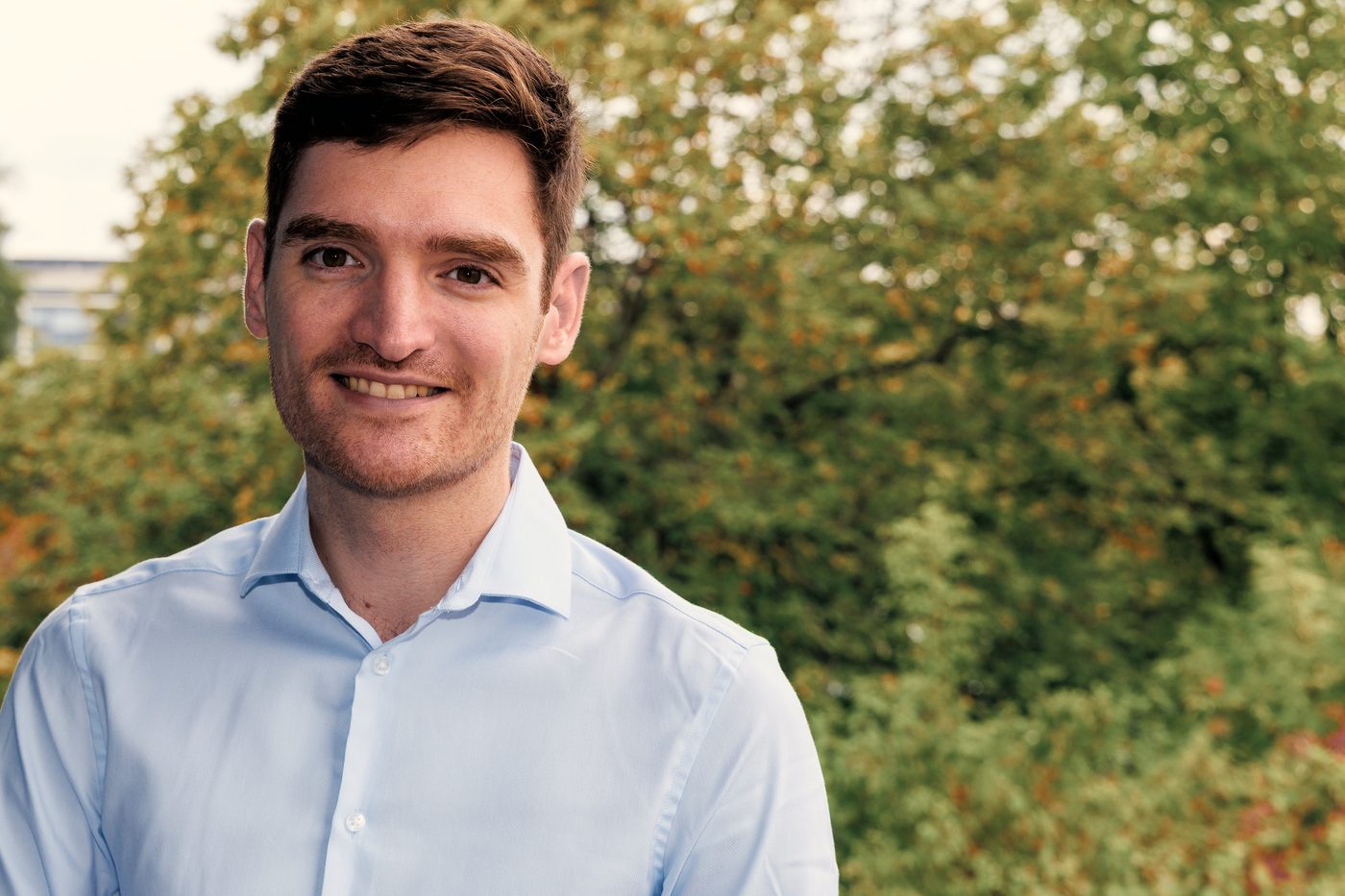

How I got here
Starting early
My first real project came at 14, when I came up with and built the software for the Routes into Languages Foreign Language Spelling Bee, a national competition for 11 and 12-year-olds. It became the backbone of the competition: pupils practised on the website and apps, and teachers and organisers managed every school’s entries through its administration platform. By 2012, more than 26,000 pupils were using it.
Summer jobs followed: software for National Health Service (NHS) hospitals at L2S2, then five summers at Cambridge Software, developing business systems and helping launch its RealtimeCRM product.
Engineering and manufacturing
I took a first-class BSc/BEng in computer science at the University of York. My dissertation looked at making the trade-offs between software designs visible, and taught me how to present complex ideas and data in a simple, understandable form, drawing on software, data analysis, user experience and communication together. That work became a published paper with my supervisor Javier Cámara, which won the Best Tool Demo Award at the European Conference on Software Architecture in 2020.
After a software engineering placement at Philips Research, building healthcare apps, I joined Cambridge Design Partnership as a software engineer, working on embedded systems and medical devices. In 2018 I wrote an article on how machine learning could turn wearable sensor data into coaching insights, years before AI became an everyday business topic. I also saw how much time went into planning people and projects, so I built resource planning and operations software to help. It became part of how the company ran day to day, used by more than 150 colleagues.
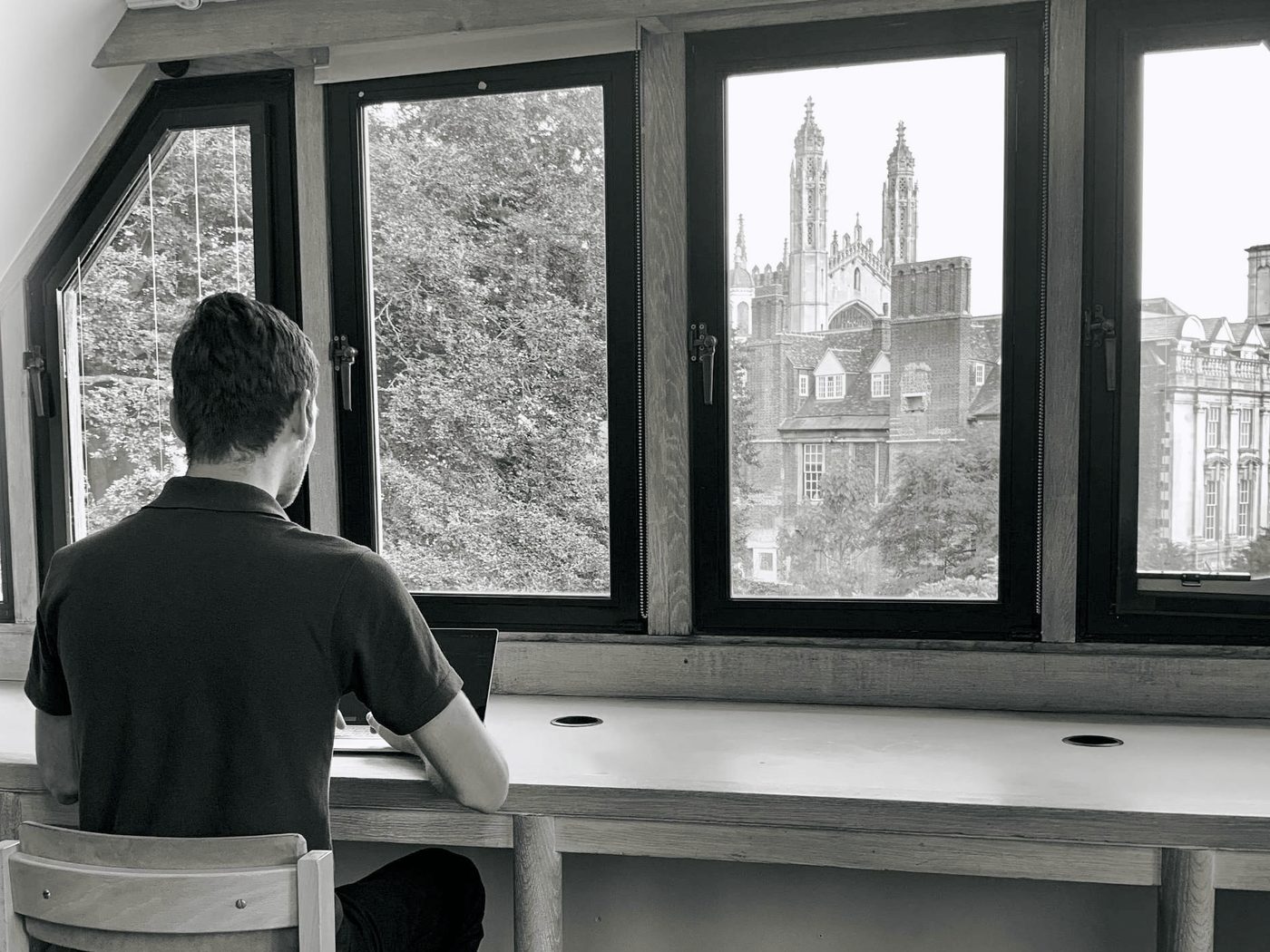
A Cambridge Trust Scholarship took me to the Institute for Manufacturing at the University of Cambridge for a master’s degree, which I finished with distinction. Consulting projects took me onto the shop floor with manufacturers including Dufaylite, Prima Electronics and Swytch Bike. I also researched augmented reality for quality inspection with the Cyber-Human Lab.
Founding Cambridge Kinetics
In 2021 I founded Cambridge Kinetics to help businesses get a clearer view of their operations. We started out building bespoke software for clients, but project after project, the same operational problems sat underneath: jobs, data and workflows spread across spreadsheets and systems that didn’t talk to each other. Kinabase grew out of that, and it’s now the foundation of our work with clients.